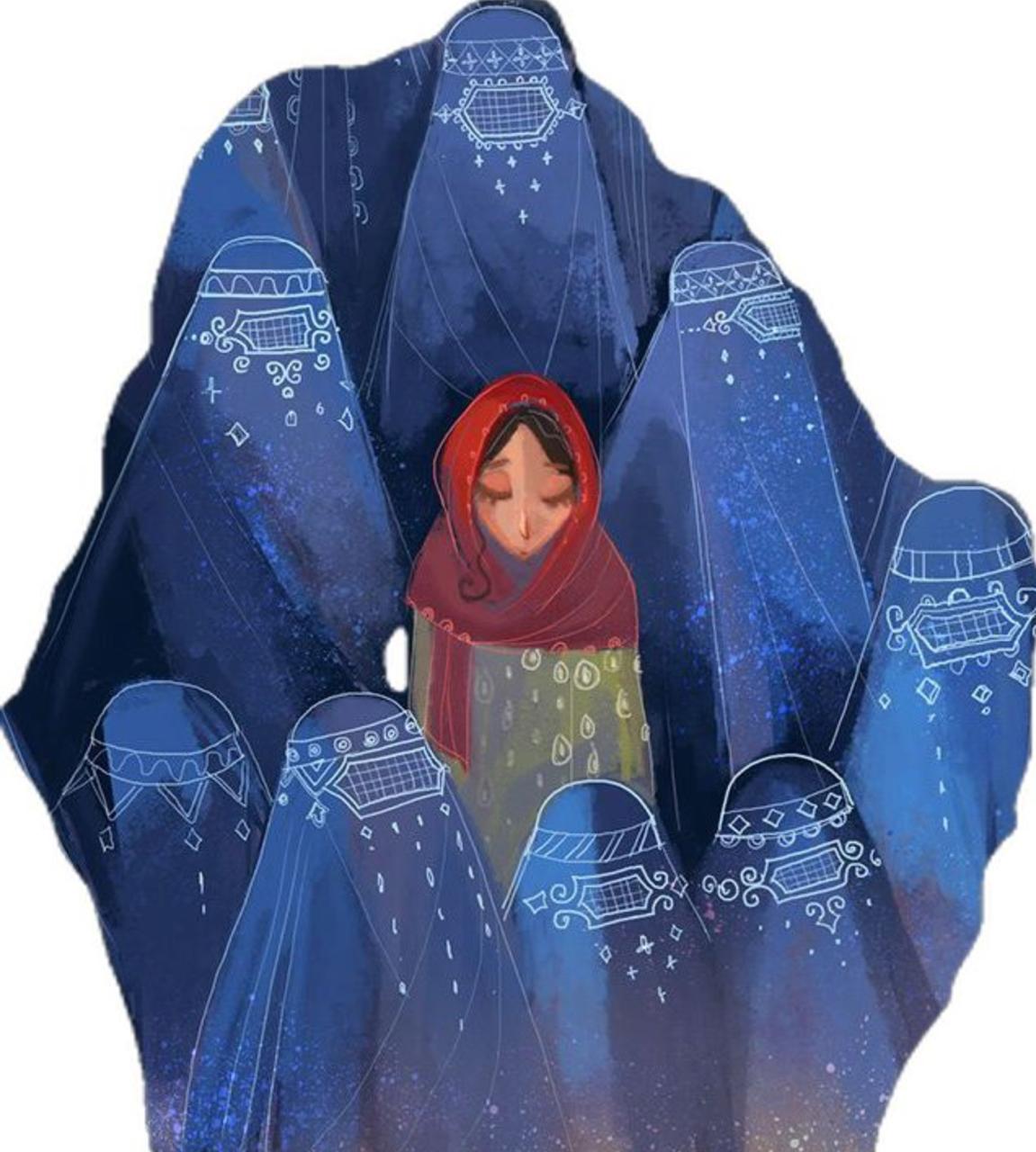
Imagine growing up knowing you have dreams, but also knowing the world may never let you chase them simply because of your gender. For millions of women, this is not imagination, it is daily reality.
Imagine a world where half the stars suddenly went dark. What would happen? That world would feel incomplete, unbalanced, and unable to shine the way it was meant to. This is exactly what happens when women are held back from reaching their full potential.
For centuries, women around the world have carried families, communities, and entire cultures on their shoulders, yet their voices have often been silenced, and their abilities underestimated. Today, as the world faces complex challenges, empowering women is a necessity.
Women’s empowerment means giving women the freedom, opportunities, and respect they need to make decisions about their own lives. It includes access to education, the right to work, equal treatment, and the ability to participate fully in society. In many places, progress has been made, but millions of women still face barriers that limit their dreams.
Understanding why women’s empowerment matters is essential not just for women themselves, but for families, communities, and nations. Communities grow when women are allowed to learn and participate. Education opens opportunities, gives women awareness of their rights, and protects them from exploitation.
Without education, women face limited choices, fewer job opportunities, and a higher risk of being controlled by others. But when women study, they gain confidence and the tools to support themselves and their families.
Countries with low female education rates often struggle with poverty, poor healthcare, and weak social systems. In contrast, when women are educated, they become lawyers, teachers, leaders, and business owners who contribute directly to the community.
For example, in Rwanda, after the government increased girls’ education, more women joined schools, businesses, and politics, which helped the country grow faster and improve healthcare and education for everyone.
This proves that empowering women is not just a “women’s issue”; it is a community development way that improves the quality of life for everyone.
Sometimes the simplest questions shakes us the most. Why, in a world full of discoveries, solutions, and possibilities, are millions of women still told they cannot study, cannot work, cannot choose, cannot dream? In Afghanistan today, girls are banned from secondary schools and universities. Sisters watch their brothers leave for class while they sit at home, waiting for a future that feels like it’s disappearing. This isn’t just a tragedy for those girls; it’s a reminder of how much the world still struggles with recognizing women as equal human beings.
Empowering women begins with something simple yet powerful: giving them the same rights, opportunities, and respect that men receive by default. When women receive education, they don’t just transform their own lives; they change the course of entire communities. When girls are educated, child marriage rates drop, health improves, and future generations become more capable. Beyond this, the empowerment of women means allowing every girl to imagine herself as someone who matters, capable of shaping her own life.
The denial of this basic right, like in Afghanistan, where girls are locked out of schools, shows how dangerous it is when society fears educated women. Empowerment is not only about school or degrees; it’s about giving women the freedom to make decisions about their own lives.
Educated women often raise children who are healthier, more confident, and more likely to go to school. And by this each generation becomes better than the last.
For example, imagine a girl who is allowed to study and grows up to become a trained nurse. Her knowledge doesn’t just end at her job; she brings it home, teaching her family about hygiene, nutrition, and proper medical care. Her children grow up stronger, her household becomes safer, and her community benefits. Additionally, women who earn their own income spend it on food, education, and household needs. Every step forward that a woman takes spreads to her family, her community, and eventually the entire country.
Another reason empowering women matters is that societies cannot be fair or successful when half the population is silenced. For centuries, women have been excluded from leadership roles and major decisions, even though their perspectives are necessary.
When women are part of shaping laws, communities, and policies, decisions become more balanced and thoughtful. Countries with more women in government often have stronger protections for children and better educational systems. Without their voices, important issues like safety, education, and health are often ignored or handled poorly.
Empowering women ensures that every individual has a chance to influence the future, not just those who have traditionally held power.
But empowerment isn’t only about education and economics; it is also about dignity, safety, and the freedom to choose. Millions of women face violence, harassment, and discrimination simply for existing in public spaces. In some cultures, women are taught to shrink themselves, to speak softly, to lower their eyes, to carry fear as part of their identity.
Imagine the weight of living like that. Empowerment means breaking these invisible chains. It means teaching girls that their worth is not measured by obedience or silence, but by their courage, ambition, and humanity. When women feel safe and respected, societies become kinder, more just, and more compassionate. Their perspectives bring balance and empathy to decision-making processes that shape the future.
Empowering women matters because without it, the world will never move forward. When women are silenced, a country loses half of its strength, half of its ideas, and half of its future. We see this clearly in Afghanistan, where girls with dreams as big as the sky are kept from school, not because they lack talent, but because they lack the freedom to use it. Yet even when their classrooms are taken away, their hope never disappears.
Afghan girls continue to believe in a future where they can study, choose, and become whoever they want to be. Their courage reminds us that empowerment doesn’t come from silence; it comes from raising our voices, standing together, and refusing to give up. When women rise, everyone rises.
And as long as there are girls fighting for their rights, we must stand beside them, speak for them, and make sure the world sees their worth. A society becomes stronger, kinder, and more just when every woman is allowed to live with dignity, opportunity, and dreams.
That is why we must keep pushing, keep speaking, and keep fighting for a world where every girl, no matter where she is born, can finally step into the life she deserves.
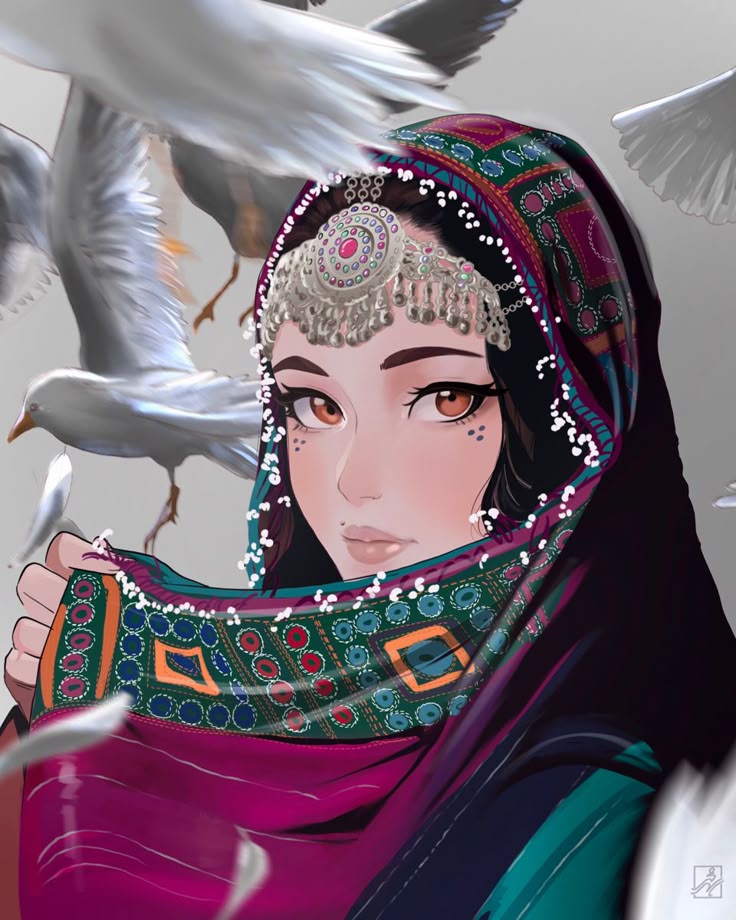
So lets always remember to give women their rights, speak up for them and stand with them. And please, lets not forget the brave girls in Afghanistan whose dreams are on pause, the girls who deserve the same freedom, the same voice, and the same chance to shine.
 F
F